What To Know:
- Philippines is tightening control to ensure crypto trading occurs only through licensed entities, using access blocks to enforce capital, reporting, and anti money laundering rules.
- As enforcement increases, compliant players are expanding services, with PDAX enabling stablecoin salary payments and GoTyme rolling out in app crypto trading and custody.
- Regulators aim to channel activity into approved platforms, with licensed providers now handling about 70 percent of domestic crypto transactions and user assets estimated near $2 billion.
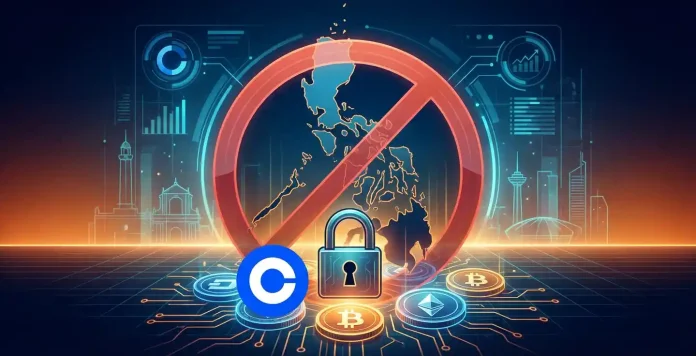
Philippines have begun blocking access to major global crypto exchanges as regulators step up enforcement against platforms operating without local authorization. Coinbase and Gemini became inaccessible to users across the country this week after the National Telecommunications Commission ordered internet service providers to restrict access to dozens of trading sites flagged by the central bank.
Philippines Blocks 50 Unauthorized Crypto Platforms
Users reported widespread disruptions on Tuesday, with Coinbase and Gemini unreachable across multiple networks. Independent checks confirmed that the platforms could not be accessed through several of the country’s largest ISPs. The action follows a directive from the National Telecommunications Commission, which cited guidance from the Bangko Sentral ng Pilipinas, the Philippines’ central bank.
According to local media reports, the order covers around 50 online trading platforms identified as operating without proper registration or approval. The central bank has not released a full list of affected services. Even so, the move marks a clear tightening of oversight, as authorities shift from warnings and compliance windows to direct enforcement through access restrictions.
The Philippines has taken similar action before. In March 2024, regulators ordered ISPs to block Binance after the exchange failed to meet local licensing requirements. That decision followed a 90 day compliance period announced in late 2023, during which users were advised to withdraw funds. By April, mobile app stores were also instructed to remove Binance’s application from local listings.
Coinbase and Gemini now join Binance as prominent global platforms restricted in the country. The Securities and Exchange Commission has also named other unlicensed exchanges, including OKX, Bybit, and KuCoin, as operating without approval.
Although some of these platforms remain accessible, regulators have indicated that they are considering further restrictions. Officials say the aim is to make sure crypto trading only happens via entities subject to Philippine law. Regulation mandates are about capital thresholds, reporting requirements, and measures against fraud and money laundering, say it. Access blocks are used by these regulators to protect users when foreign platforms act beyond national supervision. At the same time, compliant players increased activity as enforcement increased.
Localised crypto related offerings have been launched by licensed exchanges and banks to meet local demand and comply with the central bank and the SEC regulatory parameters. In November 2024, the Philippine Digital Asset Exchange, or PDAX, collaborated with payroll agency Toku to provide remuneration for remote employees in stablecoins. That arrangement allows workers to change earnings directly into pesos without wire transfer fees or lengthy settlement lag.
The product is focused on freelancers and overseas employees who depend on cross border payments. A month later, digital bank GoTyme introduced crypto trading and custody services with partners Alpaca, a U.S. fintech company. Users can purchase and own 11 digital assets directly in the bank’s app, connecting crypto exposure to standard banking offerings like savings and payments. The rollout was perhaps one of the clearest examples of crypto services moving into regulated retail finance in the country. Analyses of industry observers suggest these moves signal a policy direction that’s deliberate. Regulators don’t seem to be aiming to limit the utility of crypto to nothing, they seem to want to funnel activity into the approved channels.
Licensed virtual asset service providers now account for about 70 percent of domestic crypto transactions, compared with about 40 percent a year earlier, the SEC said in its latest data. The approach’s proponents have positioned financial regulators as the means between innovation and consumer protection. BSP advisers have said that helping licensed providers will help ensure that Filipinos are able to gain access to digital assets with clearer protection, such as monitoring transactions and establishing capital reserves.
The Philippine crypto market is expected to have $2 billion user assets as at 2024, according to the industry. There is still good trading activity fueled by remittances, online work, and retail investment. Regulators have a requirement for licensed sites to provide periodic reports and label suspicious transactions, incurring compliance costs unregistered operators tend to evade.
Also Read: Spain Sets 2026 Deadline for MiCA Licensing and Crypto Tax Reporting