What To Know:
- Argentina’s central bank is reviewing the framework to let private banks trade and custody crypto.
- The move could shift Argentine crypto activity from exchanges into regulated channels.
- Officials are drafting a new framework that would permit private banks to provide crypto trading under strict licensing and compliance conditions.
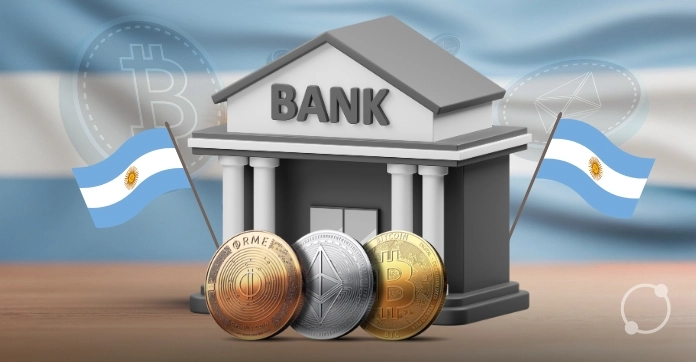
Argentina is preparing to allow commercial banks to offer cryptocurrency trading and custody services, a policy shift that would bring large amount of informal crypto activity into the regulated financial system. The move, under review by the Central Bank of the Argentine Republic, is driven by a singular practical force: persistent inflation and widespread public demand for dollar-linked digital assets. For many Argentines, stablecoins and bitcoin have become tools for preserving savings.
Argentina Considers Allowing Cryptocurrency Trading
Under current rules, banks in Argentina are barred from dealing in crypto. Those restrictions were imposed to reduce risk and limit the reach of unregulated providers. The government of President Javier Milei, however, favors market liberalization and has prompted a reconsideration. Officials are drafting a new framework that would permit private banks to provide crypto trading under strict licensing and compliance conditions. Note that no final text or effective date has been announced yet.
Argentina’s central bank is considering lifting its ban on banks’ crypto activities, allowing trading and custody under a new regulatory framework. The move marks a shift from prohibition to oversight, aiming to bring BTC and stablecoin use into compliance and strengthen KYC/AML.…
— Wu Blockchain (@WuBlockchain) December 8, 2025
This material has not been formally verified by any government officials and is based on Wu Blockchain, an independent investigator.
For Argentina, allowing banks to trade and custody digital assets would change the market structure. Today, independent exchanges and virtual asset service providers dominate trading. Banks control deposits, established KYC processes and deep ties to the payment system. When they join, customer flows could shift quickly to bank platforms, lowering onboarding friction and increasing the share of transactions that pass through regulated channels. The effect would be to formalize activity currently handled informally.
Industry executives welcome the change, arguing it will expand access. Julian Colombo, Bitso’s head for South America, told local media that bank involvement would provide “ease and confidence” for many potential investors. Adoption statistics underline the potential: nearly one in five Argentines owns some form of cryptocurrency. The prevalence of stablecoins in everyday transactions makes the argument for banking integration especially compelling.
There are, however, technical doubts. Digital assets are volatile. Banks would need clear capital and liquidity rules to prevent contagion from sharp price swings. Supervisors in Buenos Aires could look to international guidance when setting exposure limits and custody standards. The Basel Committee’s recommendations on crypto risk management may inform the drafting, but local realities require tailored solutions.
Bringing crypto inside the banking system also strengthens anti-money laundering controls. Banks already operate with robust know-your-customer protocols. Supervising crypto through them reduces anonymity and improves traceability. Tax authorities could more easily monitor transaction flows and collect revenues. That matters in a country seeking fiscal stability.
Practical pilots have precedent. In 2022 Banco Galicia briefly allowed customers to trade bitcoin, ether and major stablecoins before the central bank issued a ban. That episode highlighted the tension between innovation at local banks and regulatory caution. The current review suggests a more deliberate path toward controlled integration.
Other institutions are testing crypto in adjacent spaces. YPF, the state-controlled oil firm, is reportedly evaluating a model to accept crypto payments at service stations, using intermediary exchanges to price transactions at a parallel market rate. Should banks provide trading services, they would serve as natural partners for payment rails that connect merchants to onramps for dollar-linked assets.
If regulators act, banks could become the main gateway for Argentines seeking dollar protection. That would reshape custody markets, concentrate counterparty risk within regulated entities and create pressure for higher operational standards. It would also make it harder for illicit actors to exploit fragmented providers.
Also Read: Lawsuit Says Melania Trump, Javier Milei Used in Memecoin Scam