
What To Know:
- Larry Fink says sovereign wealth funds have been quietly accumulating Bitcoin, ramping up purchases during price dips.
- Bitcoin surged from below $84K to above $93K, with long-term institutional buying seen as a key driver of confidence.
- Fink links demand to macro uncertainty and tokenization growth, calling Bitcoin a hedge and sovereign interest a sign of market maturity.
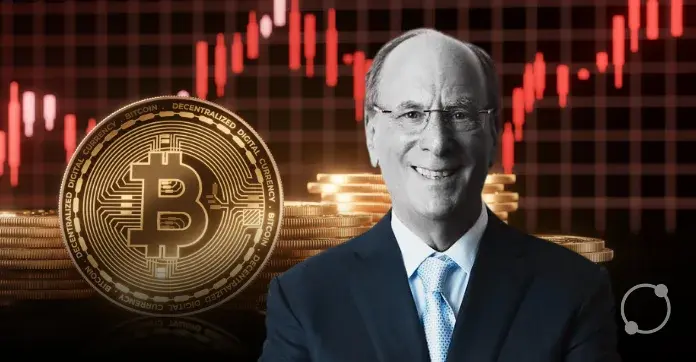
Bitcoin’s rally picked up new momentum this week, and BlackRock chief executive Larry Fink issued one of the strongest signals yet that big, state-backed organizations are positioning themselves around the asset. Fink also said that some of the sovereign funds have been accumulating Bitcoin gradually, particularly during recent price drawdowns, during his talk at DealBook. He did not specify the funds but said they stepped up purchases after Bitcoin dropped from its previous peak near $126,000.
Larry Fink On Growing Bitcoin Demand
Bitcoin has since surged from last week’s price below $84,000. A 10 percent run lifted it to above $93,000, its most powerful session since May and bringing market capitalization into the neighborhood of $2 trillion. Investors are betting on a big 2026 cycle. One clue to confidence, Fink noted, was long-horizon buying behavior on sovereign wealth firms. He said they bought in the high-$80,000 range and look to be building strategic, multi-year positions.
Fink termed Bitcoin ownership a strategy driven by macroeconomic uncertainty. Investors, he said, hold Bitcoin to protect themselves from risks to personal safety and future purchasing power. He connected long-term demand to deficit spending and the declining real value of financial assets, stating that Bitcoin functions as an alternative store of value under those conditions. Fink noted that price volatility will remain elevated due to leverage and short-term speculation, but said the presence of sovereign buyers shows that large actors are treating Bitcoin as a durable reserve asset rather than a trading vehicle.
Public disclosures this year showed sovereign funds in Abu Dhabi and Luxembourg among purchasers of BlackRock’s IBIT Bitcoin ETF. The world’s largest asset manager now oversees more than $10 trillion, and IBIT has been a dominant force among spot Bitcoin ETFs launched in early 2023.
At the same event, Fink stood alongside Coinbase CEO Brian Armstrong and journalist Andrew Ross Sorkin. He expanded his remarks beyond Bitcoin, arguing that tokenization will reshape financial infrastructure. Tokenization refers to the creation of blockchain-based versions of traditional financial instruments and real-world assets. Fink said the market could grow at a pace similar to the internet during the late 1990s, citing Amazon’s early revenue as an example of slow beginnings before exponential scaling.
In an essay published earlier, Fink wrote that tokenized assets have grown more than 300 percent in under two years, even though they represent a small share of global equity and bond markets. He projected a world in which portfolios of stocks, bonds and digital assets are stored in a unified digital wallet rather than separate platforms. As he described it, broad adoption of blockchain-based settlement could expand access to capital markets and streamline global investment flows.
Fink warned that the United States could fall behind other countries if it moves too slowly. He called for greater investment into tokenization and artificial intelligence, aligning with comments made by President Donald Trump in November about competition with China. Armstrong added that major banks are already working with Coinbase on stablecoin integrations, custody layers and trading systems, though he did not identify the institutions.
Support from BlackRock marked a turning point for institutional crypto adoption. Fink led the push for a Bitcoin ETF at a time when many traditional firms viewed crypto markets with skepticism. The approval of IBIT catalyzed interest across asset classes, from Bitcoin to Ethereum-linked products. Analysts credit that shift with influencing US policy sentiment in the 2024 election cycle. Trump later adopted a pro-crypto posture, framing the sector as strategically important for American competitiveness.
Fink’s comments suggest that Bitcoin’s trajectory is tied to macroeconomic risk perception and the structural build-out of tokenized markets. The presence of sovereign funds signals a maturing phase for digital assets.
Also Read: Bitcoin Market Panic Opens New Buy Zone, Analysts Say