What To Know:
- Libya has stepped up raids and prosecutions against illegal Bitcoin mining, uncovering large-scale operations hidden in factories and residential areas.
- Ultra-cheap electricity and weak enforcement have made Libya a regional mining hub, despite a central bank ban, with the country once accounting for 0.6 percent of global hash rate.
- Authorities warn crypto mining is straining the power grid, consuming about 2 percent of national electricity output amid unclear regulation.
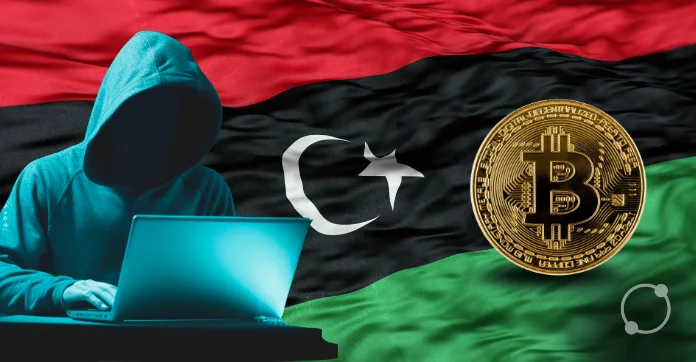
Libya is escalating enforcement actions against illegal Bitcoin mining as the activities continue to expand in the shadows of a fragmented legal system and a strained national power grid. Recent court cases and large-scale equipment seizures show that a government effort focused less on crypto themselves and more on the heavy toll mining places on electricity infrastructure.
Libya Cracks Down on Illegal Bitcoin Mining
In November, prosecutors sentenced nine individuals to three years in prison after discovering Bitcoin mining operations inside a steel factory in the coastal city of Zliten. Authorities confiscated the mining equipment and ordered the return of profits generated through what they described as unlawful use of state electricity. The case demonstrates how industrial facilities have become prime locations for concealing high-energy mining activity.
Reports show the Zliten case is part of a wider pattern. In April 2024, security forces in Benghazi seized more than 1,000 mining devices that were reportedly producing around $45,000 in monthly revenue. The year before, Libyan authorities detained 50 Chinese nationals and confiscated an estimated 100,000 mining machines in one of Africa’s largest crypto-related raids.
These operations persist despite a 2018 ban by the Central Bank of Libya on crypto transactions. The ban was introduced on money laundering and terrorism financing grounds. The prohibition, however, has not prevented Libya from taking the step to become a big regional mining hub. In 2021, the country made up about 0.6% of the global Bitcoin hash rate, which beats several European countries.
The leading driver behind the price has been electricity pricing. Libya has one of the world’s cheapest cryptocurrency mining locations with costs as low as $0.004 per kilowatt-hour and can be operated on-demand. Analysts say the combination of subsidized power, lack of enforcement and political instability have made the scene conducive to operators motivated to take legal risks. Many mining sites work in fortified compounds to cover up heat output and avoid being found, says Tripoli-based legal expert Nadia Mohammed.
The legal framework is unclear, so enforcement agencies rely on indirect statutes rather than explicit mining laws, she said. “The Libyan law does not criminalise mining directly,” Mohammed said. She said that prosecutions generally rely on its related violations, which include illegal consumption of electricity, unauthorised import of restricted equipment or a financial crime involving proceeds. Mining, she pointed out, is undefined under existing law
A 2022 decree from the Ministry of Economy banned the import of mining hardware, yet devices continue to enter the country. Courts have issued prison sentences, but enforcement has struggled to keep pace with new operations, according to legal observers.
The electricity burden has become the state’s central concern. Prime Minister Abdul Hamid Dbeibah has previously estimated that individual illegal mining operations can waste between 1,000 and 1,500 megawatts of power. In a country where rolling blackouts are common, that level of consumption carries political and social consequences.
Mohammed al-Fawzi, a senior official at the General Electricity Company of Libya, said mining activities place extraordinary pressure on an already fragile network. He cited illegal connections, theft of infrastructure, and long-term underinvestment as compounding factors. Crypto mining is estimated to represent about 2% of national electricity output, roughly 0.855 terawatt-hours a year, that energy diversion compromises basic services
Hospitals, schools and residential zones experience outages while clandestine operations continue. Economist Ayoub al-Awjali said the concern reflects a larger governance vacuum. Mining, he suggested, is entirely outside the state’s regulatory framework, making energy planning difficult and sparking security concerns. In the absence of formal authority, authorities are reactionary, not strategic.
Some analysts have suggested that regulation might provide another path. Al-Awjali said both controlled licensing and taxing operations could turn mining into a revenue source, and help curtail grid abuse. He cited Libya’s young population and high internet penetration as possible elements that could promote a regulated digital economy. Others remain cautious. Unity Bank spokesman Saleh Jadoula warned that crypto activity still is closely related to financial crime threats. With perhaps 54,000 Libyans holding digital assets as of 2022 and expected to increase in usage, he called for stronger central bank oversight of mining and trading alike.
Also Read: China’s Bitcoin Mining Game Quietly Rebounds Despite 2021 Ban