
What To Know:
- Portugal’s gambling regulator ordered Polymarket to halt operations, declaring the crypto prediction platform illegal under national law and moving toward nationwide blocking.
- The action followed heavy election-related betting, with more than €4 million wagered hours before results and total presidential market volume exceeding €100 million.
- Regulators raised concerns over early odds shifts, linked to the circulation of preliminary exit poll data ahead of public disclosure.
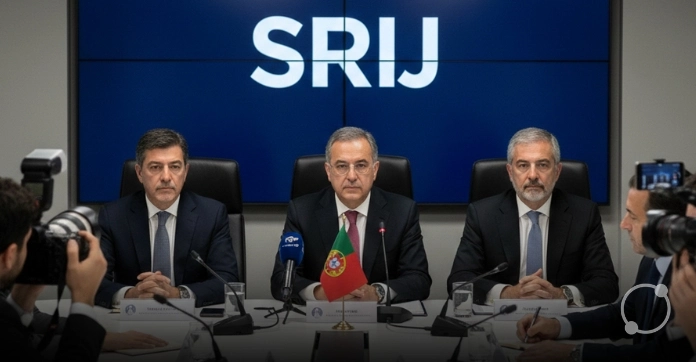
Portugal’s gambling regulator has ordered crypto-based prediction market Polymarket to cease its operations in the country and face network-level blocking. The regulators have called the service ‘illegal’ under national law. The decision follows a surge in political betting related to Portugal’s presidential election, in which millions of euros were wagered shortly before the official results became public.
Portugal Orders Polymarket Block
The Gaming Regulation and Inspection Service, known as SRIJ, confirmed that Polymarket does not hold authority to operate in Portugal. SRIJ added that Polymarket is in breach of domestic rules that prohibit betting on political events, whether national or international. The regulator said it became aware of the platform’s activities only recently and moved quickly after identifying violations, in a statement in response to local broadcaster Renascença.
“The website is not authorized to offer betting in Portugal,” the SRIJ said. “Under national law, wagering on political events is not permitted.”
According to the regulator, Polymarket was formally notified last Friday and instructed to cease operations in Portugal within 48 hours. Despite the notice, the platform remained accessible as of Monday. As per local media reports, authorities are now expected to request internet service providers to block access to the site nationwide.
The order comes amid growing concern over trading patterns observed during Portugal’s presidential race. One of Polymarket’s most active markets focused on the election outcome and recorded unusually heavy trading in the final hours before results were announced.
More than €4 million flowed into the market shortly before projections were released. The timing has drawn scrutiny from regulators and media outlets, particularly due to dramatic shifts in candidate odds ahead of any public data.
At the start of election day, António José Seguro was trading at roughly a 60 percent probability of victory on the platform, while André Ventura stood near 30 percent. By 6 p.m., an hour before polls closed, Seguro’s implied probability jumped to 95 percent. When official projections were made public later in the evening, his odds reached 100 percent.
A similar pattern emerged in Polymarket’s broader market for the next President of the Republic. At 6:30 p.m., Seguro’s chances stood at 68.6 percent. Within an hour, they climbed to 93.2 percent. During the same window, Cotrim de Figueiredo’s probability fell sharply from 22 percent to 2.5 percent.
By 8 p.m., when Portuguese broadcasters released the first official projections, betting markets had already settled decisively in Seguro’s favor.
Data reviewed by Renascença shows that more than €5 million was traded in Polymarket’s election-related markets during the two-hour period before any official results or abstention estimates were made public.
Overall trading volume in the main presidential market has surpassed $120 million, or roughly €103 million. Additional side markets tied to alternative outcomes attracted nearly $10 million more.
The unusual activity has fueled debate over whether sensitive election data circulated prematurely among traders.
Preliminary exit poll estimates started circulating privately around 6 p.m., according to people familiar with the process. Those early numbers consistently suggested that Seguro would win comfortably, with his projected support over 30%. Renascença confirmed it had received similar projections at that time from polling firms and television journalists preparing election night coverage. Even as the information was embargoed until 8 p.m., betting markets seemed to respond to the news well before public disclosure. Regulators have not alleged criminal wrongdoing, though the episode raised more fears of information asymmetry and the potential misuse of non-public polling data in prediction markets.
The SRIJ emphasized that its authority extends only to licensed gambling operators within Portugal. As Polymarket operates without approval, the regulator said it cannot guarantee that Portuguese users will recover funds placed on the platform.
Its role, the agency said, is limited to supervising authorized entities and notifying unlicensed platforms to voluntarily stop serving Portuguese residents.
While such platforms often position themselves as forecasting tools rather than betting services, national regulators have increasingly taken the view that markets tied to election outcomes fall squarely under gambling law.
Portugal has maintained a strict stance on political wagering, and cited risks to democratic integrity, voter influence, and market manipulation.
Also Read: Polymarket Faces Backlash Over US’ Venezuela Invasion Bet