What To Know:
- Binance Alpha opened trading for RAYLS (RLS), offering 800-token airdrops to users with 242+ Alpha Points and a decreasing threshold to widen access if the pool remained unclaimed.
- RAYLS is as an institutional Layer-1, emphasizing privacy, tokenization of RWAs, and regulated settlement through the Rayls Enygma protocol and fixed-fee EVM architecture.
- The launch coincided with a new partnership with Animoca Brands, aimed at driving RWA origination and distribution.
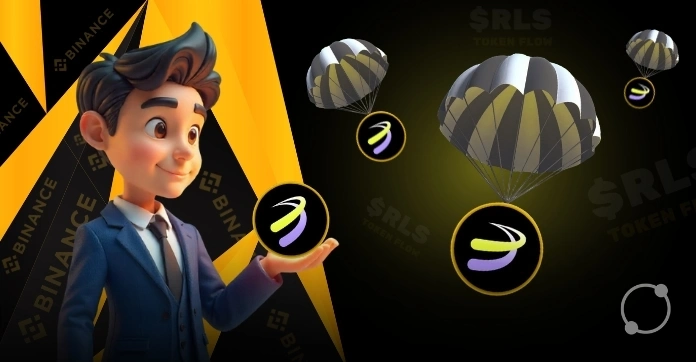
Binance Alpha added RAYLS (RLS) to its pre-listing pool and opened Alpha trading on December 1, 2025 at 11:00 UTC, offering early access and a targeted airdrop to engaged users. The exchange announced that users holding at least 242 Binance Alpha Points could claim an airdrop of 800 RLS tokens on a first-come, first-served basis, with the score threshold decreasing by five points every five minutes if the reward pool remained unfilled.
Binance Alpha Lists RAYLS ($RLS)
Claiming the airdrop will need 15 Alpha Points and required confirmation on the Alpha Events page within 24 hours.
Binance Alpha will be the first platform to feature RAYLS (RLS) on December 01.
Eligible users can claim their airdrop using Binance Alpha Points on the Alpha Events page once trading opens. Further details will be announced soon.
Please stay tuned to Binance’s official… pic.twitter.com/YIQoVi0Xu2
— Binance Wallet (@BinanceWallet) December 1, 2025
RAYLS positioned itself as a Layer 1 ecosystem built for institutional needs, and the project outlined an architecture designed to bridge traditional finance and decentralized finance by combining a public chain with private networks and institutional privacy nodes. The Rayls Enygma privacy protocol was central to the design. The platform supported tokenization of real world assets, central bank digital currencies and stablecoins through EVM compatibility, fixed USD-pegged gas fees and deterministic finality. Parfin, the developer behind Rayls, emphasized privacy and regulatory alignment as key selling points.
The provider also signaled support for settlement via stablecoins and potential integration with official digital currencies. That capability delivered round the clock access to redemptions and subscriptions, a feature that appealed to institutional users seeking flexible settlement windows and predictable fee structures.
Binance Alpha functioned as a discovery venue for early stage crypto projects and offered a pathway to main exchange listings. Users could access Alpha via both Binance Wallet and the Binance Exchange, enabling on chain trading without external transfers. Binance framed Alpha as a way to surface promising projects while testing market demand among engaged users. The platform said Alpha was the first venue to feature RLS and suggested the exposure might help Rayls attract institutional liquidity and on chain counterparties.
The RLS listing coincided with a memorandum of understanding between Rayls and Animoca Brands. The partnership tasked Animoca Brands with helping originate real world assets suitable for tokenization on Rayls infrastructure and with supporting the structuring of economic, technical and privacy parameters. NUVA, a unified vault marketplace, was named as an expected distributor of Rayls tokenized assets while Rayls would supply institutional settlement technology, privacy layers and cross chain bridge solutions to support distribution and settlement workflows.
Parfin co-founder Marcos Viriato said institutional adoption remained essential to bring stability to crypto markets and to scale tokenization across new asset classes. His remarks emphasized how industry alliances could accelerate practical use cases and create new sources of liquidity that matched professional investor needs.
Market observers noted that tokenization continued to grow across multiple chains and that competition for institutional use cases was intensifying. Ethereum and its Layer 2 networks retained a sizable share of tokenized assets, but projects like Rayls aimed to differentiate through privacy focused features, regulatory alignment and fixed fee structures. Those distinctions mattered to banks and custodians weighing on chain integration.
The tokenomics tied to the Binance Alpha airdrop were structured to reward engaged users and to create a selective distribution mechanism. The dynamic threshold mechanism that lowered the required points over time encouraged early participation while ensuring the pool could be distributed more widely if demand fell short. That design reflected a balance between scarcity and broader access, and it aimed to align incentives across early supporters.
The $RLS debut on Binance Alpha and the strategic tie up with Animoca Brands highlights a broader 2025 trend toward integrating regulated finance with on-chain settlement and building infrastructure fit for institutional custodians and issuers.
Also Read: IRYS Token Drops 85% After Binance Alpha Listing Debut