What To Know:
- Sam Bankman-Fried has appealed his conviction, claiming the trial judge and media had decided his guilt before proceedings began.
- His legal team argues the case was biased and unfair.
- Defense attorney Alexandra Shapiro says Judge Lewis Kaplan favored prosecutors, mocked SBF’s testimony, and pressured jurors to reach a quick verdict.
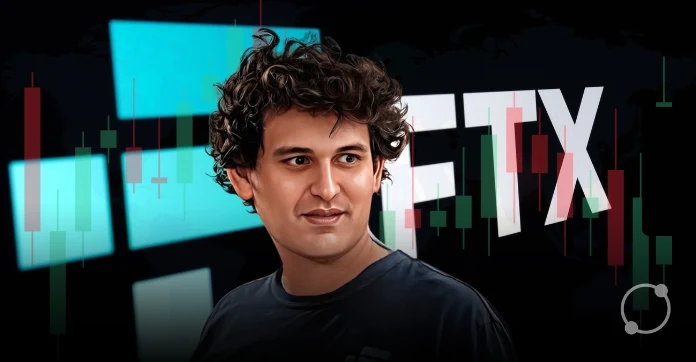
Sam Bankman-Fried (aka SBF), the co-founder of collapsed crypto exchange FTX, has appealed in a federal court that the trial judge and the media had already decided his guilt before the trial even began.
The case, now before the 2nd US Circuit Court of Appeals in New York, could determine whether one of the most high-profile crypto prosecutions in US history stands. Bankman-Fried, once a billionaire and the face of FTX’s meteoric rise, was found guilty in 2023 of seven counts, including wire fraud and conspiracy.
SBF: Was Presumed Guilty Even Before FTX Trial
As per a Bloomberg report, his legal team, led by defense attorney Alexandra Shapiro, recently argued that the court process was unfair. They claim US District Judge Lewis Kaplan “put a thumb on the scale,” favoring prosecutors and undermining Bankman-Fried’s defense. In a brief filed with the appeals court, they wrote, “Sam Bankman-Fried was never presumed innocent. He was presumed guilty, before he was even charged.”
During the original trial in Manhattan, prosecutors said Bankman-Fried had misused billions of dollars in customer funds from FTX to support his hedge fund, Alameda Research. They said he financed political donations, real estate purchases, and risky investments with customer deposits.
Jurors deliberated for less than five hours before convicting him. The decision followed weeks of testimony from former FTX executives (including Gary Wang, Nishad Singh, and Caroline Ellison) all of whom pleaded guilty and cooperated with the government. Ellison, who once dated Bankman-Fried, gave a brief account of how the company hid billions in losses through fake balance sheets and misleading financial reports.
Bankman-Fried took the stand in his own defense and said that he never wanted to defraud customers or investors. He insisted he believed the money could be repaid and that FTX’s collapse was a result of mismanagement, not criminal intent.
His lawyers now claim that Judge Kaplan’s handling of the trial prejudiced the jury. They argue he mocked Bankman-Fried’s testimony, criticized his behavior on the stand, and discouraged jurors from taking their time. The defense brief says Kaplan pressured jurors by suggesting they could deliberate late into the night and promised them free dinner and a car service home if they reached a verdict.
The appeal also challenges Kaplan’s decision to block certain lines of defense. Shapiro says the judge prevented Bankman-Fried from explaining that FTX had enough assets to repay its customers. She also argues that he was wrongly barred from telling jurors he relied on legal advice from the exchange’s in-house lawyers.
Prosecutors maintain that the conviction was justified. They say Bankman-Fried knowingly misled customers and investors while moving billions between FTX and Alameda Research. They cited Ellison’s testimony and internal communications as a proof that he orchestrated the scheme.
Shapiro, a seasoned appellate lawyer, has a history of securing reversals in white-collar cases. This year, she won an appeal for Neil Cole, founder of Iconix Brand Group, who was cleared of financial fraud charges. She is also representing Bill Hwang of Archegos Capital and Charlie Javice, accused of defrauding JPMorgan in a separate case.
Bankman-Fried’s parents, both Stanford law professors, have also sought political options. Earlier this year, reports surfaced that they were exploring ways to secure a presidential pardon, including through former President Donald Trump.
Bankman-Fried remains in custody in California and is not expected to appear at the hearing. With the 25-year sentence, he has been ordered to repay $11 billion in restitution, which is one of the largest penalties in a white-collar case.
Also Read: Chinese Creditors See Hope as a Creditor Challenges FTX Exclusion