
What to Know:
- SEC approval lets Bitcoin ETFs trade on Nasdaq & NYSE, making BTC accessible like stocks.
- Investors can buy Bitcoin via regular brokerage accounts without wallets or private keys.
- Analysts expect more liquidity, institutional money, and possible future approvals for other crypto assets.
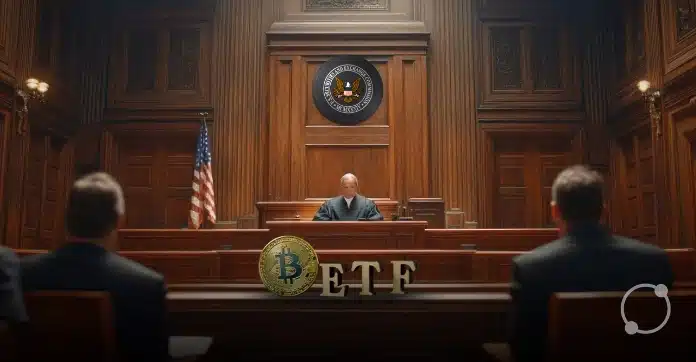
Today, the U.S. Securities and Exchange Commission announced that Bitcoin exchange-traded funds may now be traded on major stock exchanges like Nasdaq and the New York Stock Exchange. This is being called a historic step for Bitcoin and crypto in general, pushing the asset deeper into mainstream finance.
What This Means
Under the new approval, investment funds that track Bitcoin’s price can be traded just like regular stocks on Nasdaq and NYSE. Investors won’t need to buy Bitcoin directly through crypto exchanges; they can buy shares of these ETFs through their regular brokerage accounts.
These ETFs will be subject to the same rules and protections as other regular ETFs to make sure that trading is fair.
Why Now?
There has been a lot of pressure for regulated products after the GENIUS Act, that let people invest in Bitcoin without the complexity and risk of owning and storing it themselves. Institutional investors and regular people alike have been calling for safer, more standard ways to access crypto.
Experts talked about proposals from several exchanges including Nasdaq and NYSE Arca to adopt more “generic listing standards” for crypto ETFs. These standards would reduce the time and uncertainty involved in launching and listing new crypto funds. Reports say that major investment firms like BlackRock, Fidelity, and Grayscale are expected to roll out Bitcoin ETFs using this new route of listing.
How It Works
These Bitcoin ETFs will mirror the price of Bitcoin. They won’t hold the physical coin in dozens of wallets that you or I might use; instead, the fund owns Bitcoin and issues shares, which trade like stocks. That means brokerage accounts, retirement accounts, or other investment accounts can include Bitcoin exposure without the awkwardness of managing digital wallets.
Regulators said these ETFs must comply with full disclosure and fairness standards. That includes clear information about fees, custody, and how the fund handles risk. The SEC has already approved “in-kind creations and redemptions” for crypto ETPs, which helps keep these types of funds cost-efficient.
Last year in October, SEC granted “accelerated approval” to allow for the trading and listing of options of multiple spot bitcoin ETFs. The agency first approved listing options for the iShares Bitcoin Trust on Nasdaq ISE, LLC, in September 2024.
Last week Nasdaq has proposed new rule changes to Allow Trading of Tokenized Securities. The rule change, if approved, will allow tokenized trading, which, according to Nasdaq, offers a range of potential benefits to develop within the framework of an established national market system under the purview of the SEC, including the potential for all‑hours trading, easy trading of fractional shares, enhanced audit trails, and the potential for near‑instantaneous settlement, providing maximum protection to investors while still leveraging the benefits of tokenized securities.
What People Are Saying
Some analysts believe this vote of confidence by regulators will lead to more institutional money flowing into Bitcoin. More institutions may now feel better about investing in Bitcoin through a regulated and transparent product.
Others warn that although this makes things safer, Bitcoin is still volatile and unpredictable. Even with ETFs, price swings can be big. Investors should still be cautious.
Potential Impact
More liquidity and trade volume are major changes from this approval. With Bitcoin ETFs on major exchanges, more investors may easily invest in Bitcoin. Wider access may increase trade and eliminate crypto market price disparities.
Many of Bitcoin’s previously confusing restrictions are now gone for average investors. Setting up crypto wallets, managing private keys, and learning digital asset management are no longer necessary. Meanwhile, the SEC’s approval provides regulatory clarity. It shows regulators are ready to integrate crypto into the financial system.
What To Watch
The most important things to keep an eye on right now are how quickly these new Bitcoin ETFs are listed and whether they can start trading without any problems. Investors will also be very interested in the fees, since ETFs normally have them. Higher fees could make some people less likely to invest. Another huge concern is whether regulators would someday provide the same kind of approval to other cryptocurrencies, like Ethereum, Solana, or even newer tokens. Finally, everyone will be watching to see how Bitcoin’s price changes when these ETFs start trading and big investors start using them to buy Bitcoin.
Also Read: DeFAI & Predictive AI Drive Next Market Narrative