What To Know:
- South Korea’s retail traders are shifting from crypto to equities, with AI chip stocks like Samsung Electronics and SK hynix replacing memecoins as the new favorite investment theme.
- Trading activity on Upbit has dropped nearly 80% year-on-year, while the KOSPI index has surged over 70% in 2025.
- Despite moving out of crypto, Korean investors continue to take high-risk bets through margin loans and leveraged ETFs.
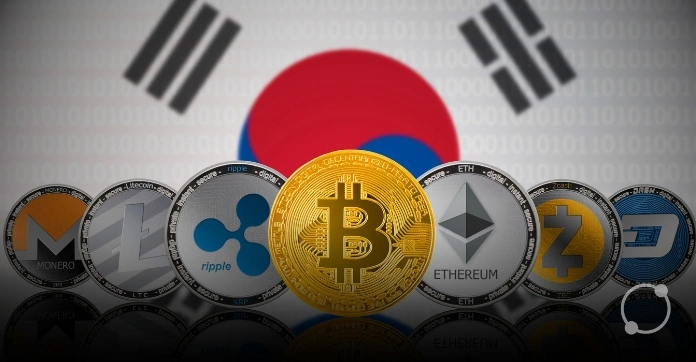
South Korea, which was the pulse of retail crypto trading, has now been increasingly exiting the market and choosing Artificial Intelligence (AI) stocks over memecoins . The country’s investors helped drive global volumes and even coined a term for their enthusiasm, the “Kimchi Premium,” when Bitcoin prices in Korea traded far above international markets. By 2025, that frenzy has faded.
As per a local media report, trading activity on Upbit, South Korea’s largest crypto exchange, has plunged nearly 80% compared to last year. The BTC/KRW pair, once among the world’s busiest, now sees subdued action. Instead, retail attention has moved elsewhere, into a roaring equity market fueled by artificial intelligence optimism and record-breaking performances from local chipmakers.
On online forums once dominated by crypto chatter, traders are now talking semiconductors. “AI stocks” is the new buzzword. The shift is unmistakable.
South Korea’s Recent Crypto Trends
Korean crypto volumes have entered what many call a “volume recession.” Upbit’s average daily volume fell to $1.78 billion in November 2025, down from $9 billion a year earlier. At its peak, on December 3, 2024, the night martial law was declared, Upbit processed a staggering $27.45 billion in trades. That was the top. Since then, volumes have slid steadily.
Bithumb, the country’s second-largest trading platform, has seen activity decline by roughly 69% year-on-year, from $2.45 billion in daily turnover to just $890 million.
Even search data reflects the downturn. Google Trends data for Korea shows interest in “Bitcoin” has gone down 66% from its late-2024 highs.
As crypto volumes fall, Korean equities are setting records. The KOSPI index has surged more than 70% in 2025, reaching new all-time highs. In October alone, the benchmark logged 17 intraday records, climbing more than 20% in a single month, its strongest run since 2001.
Trading activity on the KOSPI has exploded. Average daily turnover reached 16.6 trillion won (around $11.5 billion), with peaks near 19 trillion won. Brokerage apps have struggled to handle the traffic.
The rally has centered on Korea’s semiconductor giants. Samsung Electronics has doubled this year, while SK hynix is up more than 240%, including a 70% gain in the latest quarter. Together, the two firms account for over a quarter of total market trading.
The report also touched upon crypto leverage and stock leverage. Margin loans and leveraged crypto ETFs have soared, with retail traders taking increasingly risky positions. Among investors aged 25 to 35, more than 40% now use leverage.
South Korean traders still share the same appetite for risk that once defined their crypto mania. Only the venue has changed.
After years of stagnation in domestic equities, Korean investors are rediscovering a mix of global AI enthusiasm, favorable government policy, and a flow of local capital returning home.
South Korea sits at the center of the global memory chip industry. Samsung and SK hynix dominate production of high-bandwidth memory (HBM), essential for training AI models. Every time Nvidia or AMD ramps GPU output, Korean firms benefit directly.
In its latest quarter, SK hynix reported record revenue and operating profit, both up sharply from last year. Demand is locked in through 2026, ensuring limited supply and high margins. Investors see this as a rare, long-term opportunity.
For retail traders who once chased altcoin rallies, SK hynix and Samsung are their latest obsession, thanks to the high volatility, big stories, and a sense of national pride.
Also Read: South Korea’s Upbit and Bithumb List Intuition ($TRUST) For Trading