What to Know:
- Algorithmic stablecoins are banned, and trading must stop immediately.
- New crypto rules extend AML and consumer protection to all exchanges.
- Starting February 2026, stablecoin use will count as foreign exchange operations.
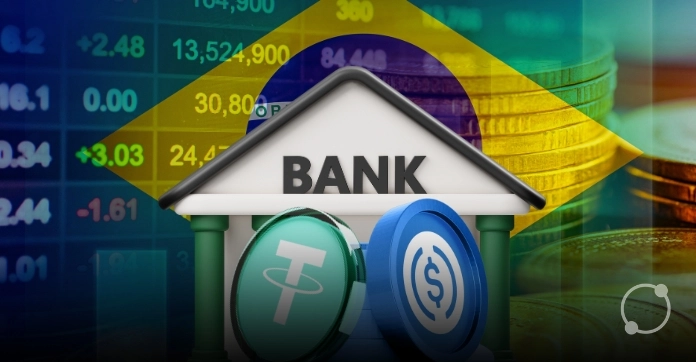
Central Bank of Brazil announced sweeping new rules aimed at the world of cryptocurrencies and virtual assets today. Among the most dramatic steps is the ban of algorithmic stablecoins and a firm order that trading in those assets must stop immediately.
At a press conference, the bank’s director of regulation, Gilneu Vivan, said the move is part of a broader effort to bring crypto-assets under the same kinds of rules that govern traditional financial services. “New rules will reduce the scope for scams, fraud, and the use of virtual asset markets for money laundering,” Vivan said.
What’s Changing?
Brazil approved a legal framework for cryptocurrencies back in 2022, but until now many of the details of how the rules would apply to exchanges, stablecoins and payments haven’t been fully clarified.
Under the new rules:
- Virtual asset service providers (VASPs) such as crypto exchanges will be subject to anti-money-laundering (AML) and counter-terrorism financing rules, just like banks and regular financial firms.
- Any transaction involving virtual assets that are pegged to a fiat currency for example a stablecoin tied to the U.S. dollar will be treated as a “foreign exchange operation”. That means buying, selling or exchanging those assets falls under stricter rules.
- The ban on algorithmic stablecoins means those particular kinds of coins typically ones that rely on algorithms rather than direct asset backing are to be removed from active trading in Brazil. Vivan indicated the agreements that exist remain in effect for now, but future stablecoin activities must cease.
- The regulations will come into effect in February 2026 and will cover authorisation of foreign-exchange brokers, securities brokers, distributors and VASPs.
Why Now?
Crypto use in Brazil has been growing fast. Regulators have flagged stablecoins which tend to be less volatile than assets like Bitcoin as a particular concern. They argue these coins are increasingly being used for payments including cross-border payments in ways that bypass traditional banking and oversight.
For example, Brazil’s central bank has estimated that about 90% of crypto flows in the country are linked to stablecoins. This large volume means the risk of illicit use, money-laundering, or capital flight is higher. Vivan and other officials say tighter regulation is needed to protect consumers, financial stability and the integrity of the payment system.
Users and Companies
Crypto exchanges operating in Brazil will face stricter compliance requirements. That means more detailed customer checks, stronger internal controls, more transparency and more regular reporting.Users holding or trading algorithmic stablecoins will be affected — those assets will no longer be allowed for or new activity. They will need to switch to other forms of virtual assets, if allowed, and will face the transition.
Companies using stablecoins for payments or international transfers will see those operations fall under the rules for foreign exchange. That can mean higher cost, more oversight and possibly slower processes. For users, the aim is that the risk of scams, fraud, or assets disappearing will be lower. The bank is emphasising consumer protection and transparency as major goals.
What’s Next?
Although the core changes take effect in February 2026, the lead-up means that companies and users have a little time to prepare. Providers operating now should begin aligning with the new rules setting up their compliance systems, evaluating their customer onboarding, assessing their product lines and planning migrations. Vivan stressed that crypto-companies must assess “the suitability of their customers before allowing them to engage in complex cryptocurrency-related operations”.
Also Read: US Senate Bill Drafts Still Pending; Might Be Delayed Till December