What To Know:
- Hong Kong plans to issue its first stablecoin issuer licences as early as March.
- The HKMA has hinted that only a very small number of applicants will be approved in the initial batch.
- Applications are being assessed on use cases, risk management, AML controls, reserve asset quality, and stress-event handling, with several firms asked to submit additional documentation due to incomplete filings.
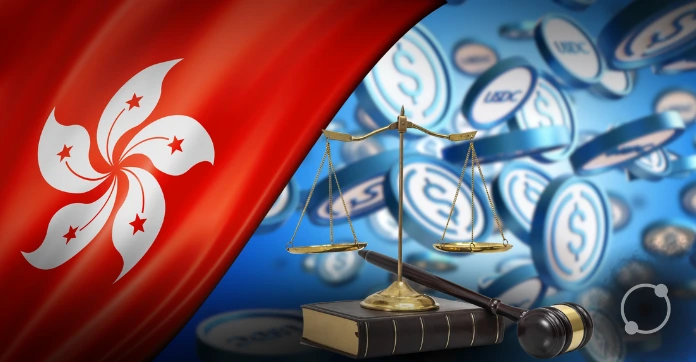
Hong Kong is aiming to issue its first stablecoin issuer licences as early as March. The move would mark a key moment in the government’s broader effort to position Hong Kong as a credible and tightly supervised hub for digital assets.
Hong Kong Monetary Authority Chief Executive Eddie Yue told lawmakers on Monday that the review of stablecoin licence applications is nearing its final stage. Speaking at a Legislative Council meeting, Yue said the regulator expects to approve only a very small number of issuers in the first batch, underlining a cautious approach to market entry.
Hong Kong Expects Stablecoin Licenses in March
At a later media briefing, Yue offered more insight into how applications are being assessed. The HKMA is now scrutinizing potential use cases, internal risk management frameworks, anti-money laundering controls, and the quality and structure of reserve assets backing each stablecoin, he said. These, he said, would be key elements to whether an issuer has the capacity to safely function within Hong Kong’s financial system.
Licensed issuers will also have to adhere to local rules when engaging in cross-border transactions, the regulator noted. Yue said the authority will consider such mutual recognition arrangements with overseas regulators in the future, although these would have to take into account regulatory alignment and risk considerations.
But the licensing process has been more challenging than many initial applicants thought. Yue said some submissions were also incomplete or contained only top-level information. The result is another HKMA response: multiple firms are now required to supply added documentation and further explanation by the HKMA.
The authority wants to know specifically how stablecoins would work in practical circumstances. That covers information on transaction flows, custody of user funds, redemption mechanisms, and governance structures. The HKMA is also taking a close look at the management of stress events — including spikes in redemptions or broader market disruptions — that should be managed by issuers. And reserve assets remain a top priority.
The regulator wants to see clear evidence of what backs each stablecoin, how those assets are held, and how quickly they can be liquidated if needed. Those checks are based on lessons from failed international crypto markets in the past in which weak reserve management and poor transparency caused sudden collapses and investor losses.
Yue stressed that speed is not the priority. The HKMA intends to move carefully, even if that means limiting approvals in the early phase. Of the roughly 36 firms that have expressed interest or submitted applications, only a handful are expected to receive licences in the first round.
Officials consider stablecoins an integral part of the digital asset ecosystem that underpins trading, payments, and cross-border transfers while retaining a relationship to traditional currencies. By placing stablecoin issuers under a clear regulatory framework, the government hopes to improve market discipline and investor confidence. A licensed regime could also attract banks, payment companies, and established fintech firms that have so far remained cautious about engaging with stablecoins. Many institutional players prefer regulated structures over offshore or lightly supervised alternatives, particularly after recent market shocks.
At the same time, strict requirements may raise the bar for entry. Smaller or less capitalized companies could find it difficult to meet reserve, compliance, and operational standards. Industry participants acknowledge that this may slow early growth, but regulators argue that stability and credibility outweigh rapid expansion.
In the weeks ahead, applicants will need to respond to detailed queries from the HKMA. Once the regulator is satisfied that key risks are addressed, it will select the first group of licensed issuers.
Also Read: Hong Kong Industry Group Raises Concerns Over Tighter Crypto Rules