
What To Know:
- CZ left OKCoin after just eight months, citing cultural and value misalignment, particularly around marketing transparency and user treatment.
- His early roles at Blockchain.info and OKCoin shaped Binance’s core principles, including remote work, Bitcoin-based compensation, and a strong user-first approach.
- In a recent interview, CZ reflected on his full journey, from modest beginnings to legal battles and stepping down from Binance, now shifting focus toward global education initiatives.
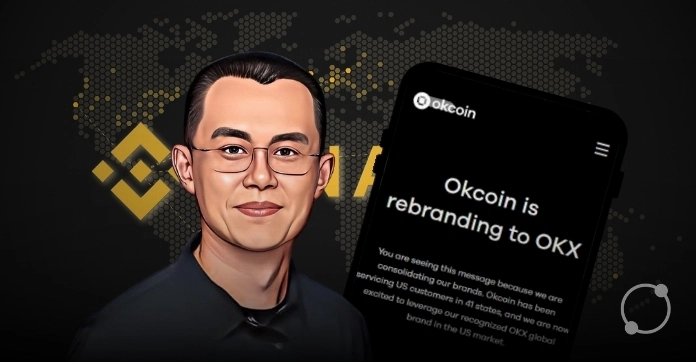
Binance founder Changpeng Zhao (aka CZ), shared a detailed account of his early career decisions and the values that shaped his journey in the crypto industry. He touched upon his brief eight-month tenure at OKCoin, which he said ended due to cultural and ethical misalignment.
At the All-In podcast with Chamath Palihapitiya, Zhao reflected on his journey from software engineer to crypto entrepreneur. Moreover, he traced the experiences that influenced his leadership philosophy long before Binance became the world’s largest crypto exchange.
CZ on OKCoin Exit and Personal Struggles
He began with his time at Blockchain.info, now known as Blockchain.com. When Zhao joined, the company had only three employees. He was vice president of technology, and the team grew to 18 people. The early environment, Zhao described, was lean and intensely focused. He learned how to function in a completely remote environment. He was paid in Bitcoin, and he saw firsthand the way a small team could grow quickly with very few resources. A part of the growth strategy was to create a detailed 150-page thread posted on BitcoinTalk.org, driving user adoption to nearly two million accounts. It was unconventional marketing. It worked.
CZ added that the culture later changed. A restructuring led by a newly appointed chief financial officer changed the company’s internal dynamics. Zhao said the shift affected decision-making and development priorities. Several developers chose to leave. He was among them.
Soon after, he was approached by He Yi with an offer to join OKCoin. The initial proposal included a 5 percent equity stake. Around the same time, BTC China extended a competing offer of 10 percent equity. Within three hours, OKCoin matched the higher offer. Zhao ultimately chose OKCoin and relocated to Beijing as chief technology officer, and is taking on broader operational responsibilities.
His time there lasted only eight months.
Zhao said that the reason for his departure was that their culture and values were different between them. He said he found marketing practices to be uncomfortable. He highlighted that promotional campaigns were presented publicly as universally accessible fee discounts. Yet in reality, he says, users had to apply manually to get the benefits, and the discounts were not automatically activated. He thought that this was leaving a divide between messaging and experience that ran counter to him and what he believed to be appropriate behaviour. He left in early 2015.
The episode, while brief, played a defining role in shaping his later approach at Binance. Zhao emphasized transparency, product clarity, and user-first design as core principles. Those early experiences reinforced his belief that internal culture determines long-term credibility.
The podcast interview also touched on the arc of his broader career. Zhao talked about his upbringing, his first jobs i.e., flipping burgers at McDonald’s and writing trading software for Bloomberg. Even after gathering significant wealth, he revealed he continues to travel economy class out of habit. The remarks painted a portrait of a founder who views himself as pragmatic rather than extravagant.
He also addressed more turbulent personal episodes. Zhao discussed his legal battle with the US Department of Justice and the psychological strain that accompanied weeks of negotiations and media scrutiny. He described maintaining emotional discipline during that period. He also reflected on stepping down from Binance’s management, calling it a painful moment.
Today, Zhao says his focus has shifted toward global education initiatives without token incentives or commercial layers.
Also Read: CZ Says Tokenization, Payments, AI to Shape Next Financial Cycle